
Repair or Replace an Aging Shingle Roof: How an NJ Roofer Decides
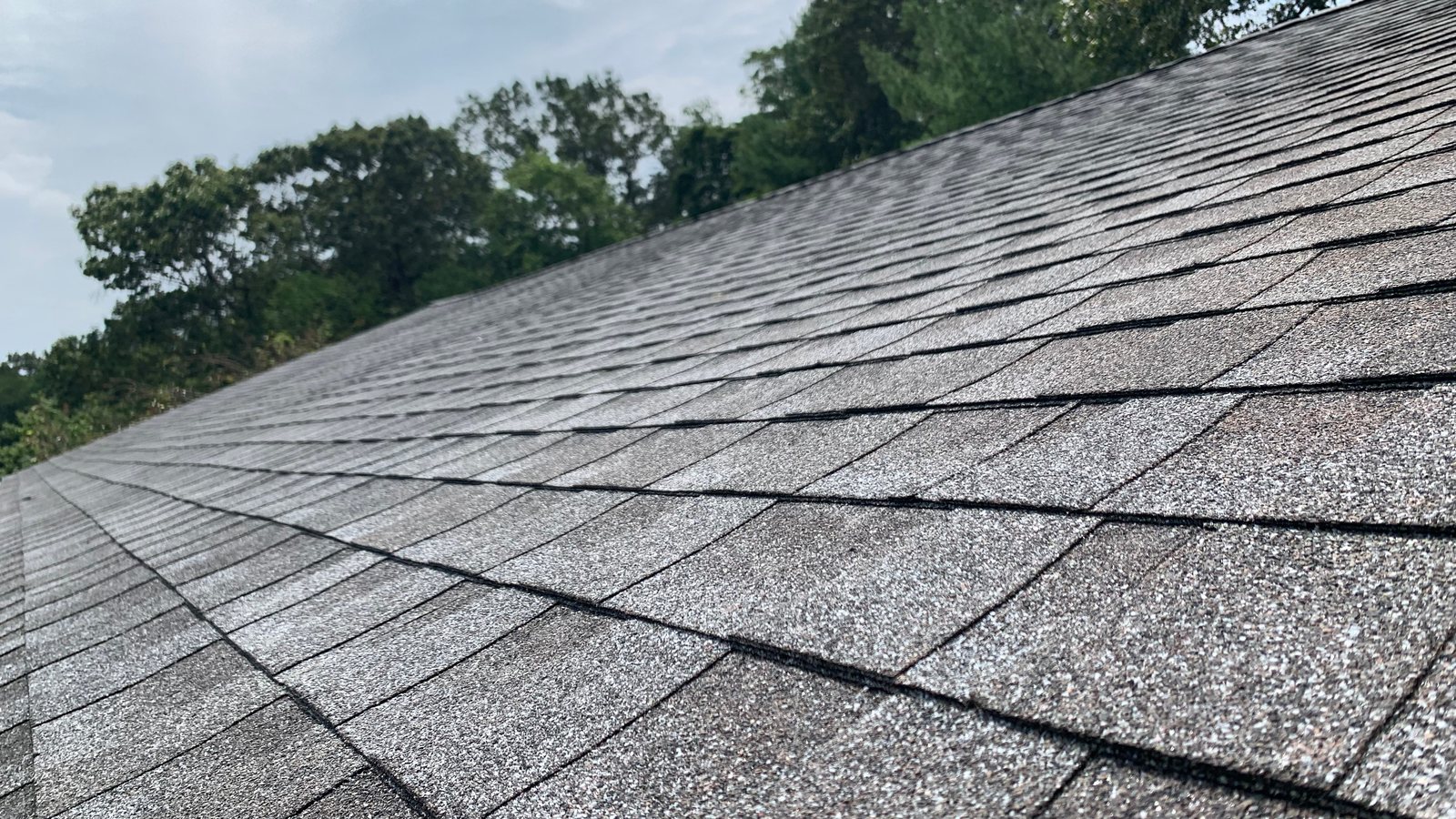
Short answer. Repair a shingle roof when the damage is in one area, the shingles around it are still sound and the decking is solid. Replace it when the roof is near the end of its life, leaks show up in several places, the decking is soft or a repair means cutting into a second layer. Ask: will the rest of the roof outlast the repair?
The five things a roofer looks at
1. Age and the shingles around the problem
An asphalt shingle roof in New Jersey typically lasts about 20 to 30 years depending on the product, ventilation and exposure (see how long a roof lasts in NJ). Near the end of that range, shingles curl, lose their granules and crack. A repair on a roof like that is new material surrounded by failing material: the next leak is usually a few feet away.
Signs the shingles are near the end: curled or cupped edges, bald patches, granules in the gutters, cracked tabs, and shingles that snap instead of bend when lifted in mild weather.
2. Whether the damage is local or everywhere
One missing shingle after a windstorm, a leak at a single pipe boot or flashing that has pulled from the chimney: those are repairs. Leaks in several rooms, damage on several slopes, or the same problem repeating across the roof point to replacement. Our article on signs you need a new roof lists what to look for from the ground.
3. The decking underneath
Shingles are only as good as the plywood or boards they are nailed to. Soft spots when walked, sagging between rafters, or stains in the attic mean water has been getting in for a while. A small area of bad decking can be replaced during a repair, but widespread rot is a replacement job. See what is under the shingles.
4. How many layers are already on the roof
Many older NJ homes have a second layer of shingles installed over the first. Repairs on a two-layer roof are harder to seal, and a replacement usually means tearing off both. Your local building department sets the rules on layers and permits; our roof permit guide explains when a permit applies.
5. Flashing and penetrations
Many "roof leaks" are flashing leaks: at chimneys, walls, skylights, vents and pipe boots. Flashing can often be replaced on a roof with good shingles. If the flashing has failed and the shingles are also at the end of their life, replacing them together avoids paying twice. See chimney flashing repair.
A simple way to think about the cost
| Situation | Usually |
|---|---|
| One area, roof under about 15 years old, solid decking | Repair |
| Flashing leak, shingles still flexible and granulated | Repair the flashing |
| Several leaks, curling or granule loss across slopes | Replace |
| Soft decking in more than one area | Replace |
| Two layers already, and damage on several slopes | Replace (tear-off) |
| Roof near end of life, and you plan to stay for years | Get a replacement quote alongside the repair quote |
Repairs cost less today. Replacement can cost less over the next ten years if it ends a cycle of repeat leaks. For numbers, read roof replacement cost in NJ and what a real NJ roofing estimate should include.
Common repairs, and what each one involves
Replacing missing or damaged shingles. After a windstorm, a few shingles may be missing or creased. The roofer lifts the course above, removes the damaged piece, slides in a new one and nails and seals it. On an older roof, a perfect color match is rare, because the existing shingles have faded.
Pipe boots. The rubber collar around plumbing vents cracks in the sun after some years. A cracked boot lets water run down the pipe into the attic or a bathroom ceiling. Replacing the boot is a common, quick repair.
Step and counter flashing. Where a roof meets a chimney or a wall, metal flashing turns the water. When sealant fails or the flashing pulls away, water gets behind it. Replacing the flashing properly means lifting shingles and, at a chimney, cutting the counter flashing into the mortar joints.
Valleys. Where two slopes meet, water concentrates. Worn or poorly installed valleys are a common leak point and can often be rebuilt without replacing the whole roof.
Small areas of decking. If a leak has rotted a small section of plywood, the roofer cuts it out and replaces it, then re-shingles that area.
The cost of waiting
Waiting on a small leak is how a repair becomes a replacement. Water that gets past the shingles soaks the underlayment, then the decking, then insulation and drywall. In an NJ winter, ice dams can push water under shingles at the eaves of a roof that never leaked in summer; read about ice dams in NJ. And if the attic is poorly ventilated, shingles age faster from above and below; see attic and roof ventilation.
A repair now, a replacement later
Sometimes the right answer is both: a repair now to stop the leak through the winter, and a planned replacement in spring when you can choose shingles and schedule the work. If you go that way, ask the roofer to write down what they saw so you can plan the budget. A roof inspection gives you that record.
What a repair visit should leave you with
A repair is only as useful as what you learn from it. After a repair visit, you should have:
- Photos of the problem and of the finished repair, so you can see what was done without climbing a ladder.
- A note of the cause, not only the fix. "Cracked pipe boot" and "nail pop under the course above" lead to different next steps.
- The roofer's view of the rest of the roof: age, granule loss, soft spots and any other weak points.
- The terms of any warranty on the repair itself, in writing.
If the same area has been repaired more than once, ask why the first repair did not last. Repeat leaks in one spot often point to a cause the patch does not reach, such as poor attic ventilation, a flashing detail that was built wrong, or decking that is already soft.
When you plan to sell, or to stay
How long you plan to stay in the house changes the answer.
Selling in the next year or two. The buyer's home inspector will look at the roof, and a roof near the end of its life often becomes a negotiation point. A documented repair with photos helps when the roof still has years left. When it does not, expect a replacement or a credit to come up in the negotiation either way, and get both prices on paper before you list.
Staying ten years or more. A roof near the end of its life is a cost you will meet during your ownership. Planning the replacement on your own schedule, with time to compare quotes and choose shingles, is easier than replacing it after a storm forces the decision.
Timing a repair or replacement in NJ
Small repairs such as a pipe boot, a few shingles or a section of flashing can be done in most weather, as long as the roof is dry and safe to walk. A full replacement in cold weather needs more care, because new shingles seal to each other with warmth; our day-by-day guide to a roof replacement covers cold-weather installs. If the roof is leaking now, stop the water first and make the bigger decision once you have the roofer's written findings.
What to ask your roofer
- How old do you think the roof is, and what tells you that?
- Is the damage in one place or several?
- What did you find in the attic, and how is the decking?
- How many layers are on the roof now?
- If I repair now, what is likely to fail next, and when?
- Can I have the repair price and the replacement price on paper?
A roofer who only quotes one option, or will not go into the attic, is not giving you the full picture. See how to choose a licensed NJ roofer.
Green Apple Roofing is a GAF Master Elite contractor and an NJ-registered Home Improvement Contractor #13VH11318100, serving Monmouth and Ocean counties from our Ocean Township office. We offer a free roof survey with no obligation, and we beat or match any legitimate quote. See roof repair in NJ.
Questions homeowners ask
Request a commercial roof survey.
We'll survey your roof, tell you honestly whether it needs repair, recover, or replacement, and give you an itemized bid you can actually compare. Same-day phone response.